
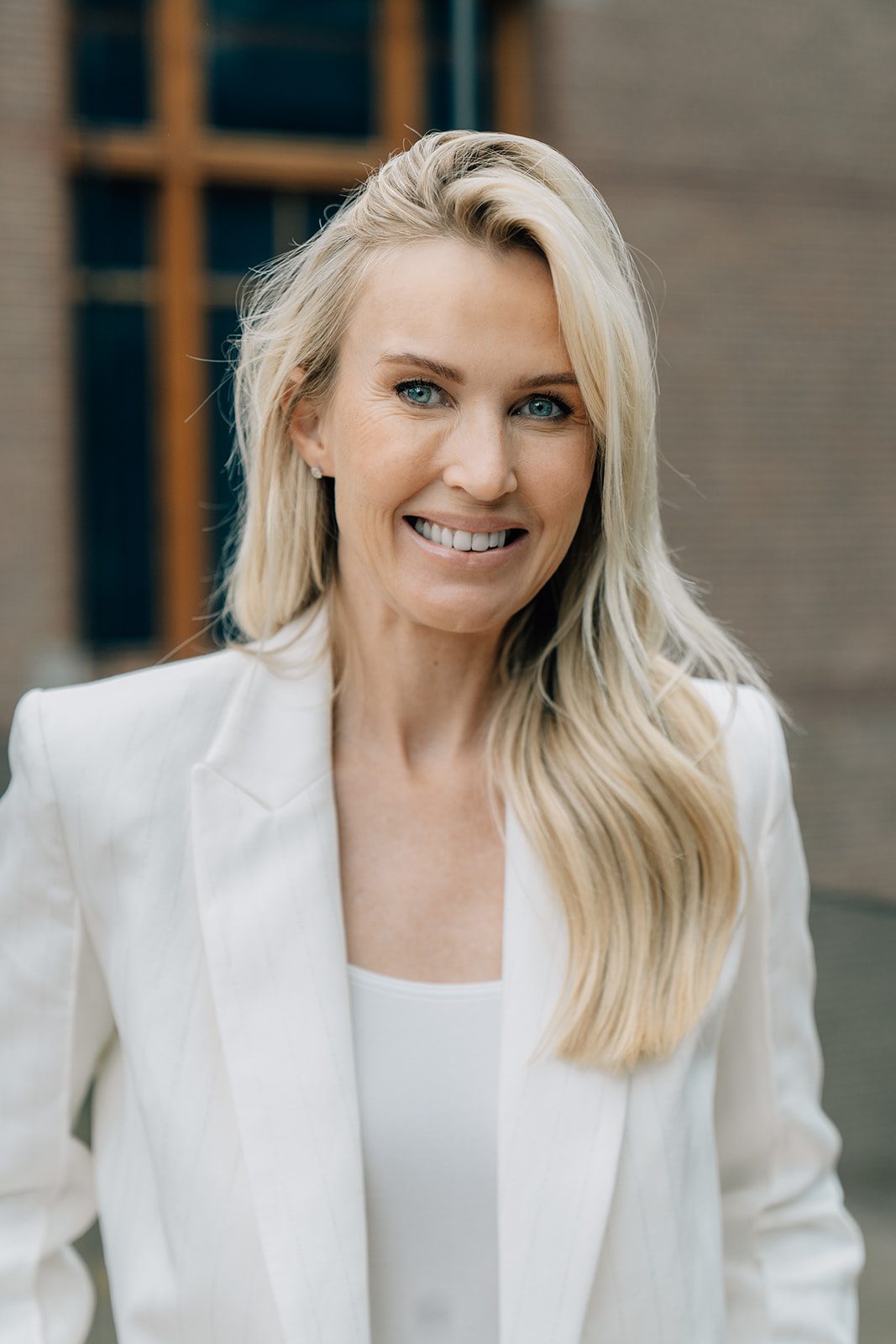
Chantalle Janclaes has built her leadership philosophy not in boardrooms, but in the details, in the trust placed in people during hard times, and in the quiet discipline of showing up well every single day. As Founder and Chief Growth Officer at Curgoal Digital Marketing, she leads with a conviction that growth, whether personal, organisational, or collective, is always a choice. What emerges from her story is a portrait of a leader who believes that authority means nothing without authenticity, and that the strongest businesses are ultimately built on the strength of their relationships.
How do you recognise real leadership talent?
Leadership does not come from established authority. It comes from making people feel heard, from believing even when reality gets tough, and from staying open to learning every single day. I recognise leadership talent when someone moves from merely completing tasks to fully owning responsibilities. They start managing complexity, acting proactively, and orienting themselves toward collective success rather than individual achievement.
Resilience is not built when the sea is calm. It is built by learning to ride the waves.
What is the defining leadership challenge of this moment?
The core challenge is leading through constant change while humans and machines increasingly collaborate, with AI woven into daily decisions. In that environment, transparent communication becomes essential. People need stability, and you create it through clear information and regular updates. But above all, the most important thing is to never lose the human touch. Authenticity is not a nice-to-have. It is the foundation.
What should leaders stop doing immediately?
They should stop staying silent. Silence during uncertainty does not protect people. It confuses them. Leaders need to speak up, be open, and demonstrate transparent growth precisely when it feels most difficult. And they should stop trying to control everything from above. The real work does not happen in boardrooms. It happens in the details, in the daily interactions, in the small decisions made on the ground.
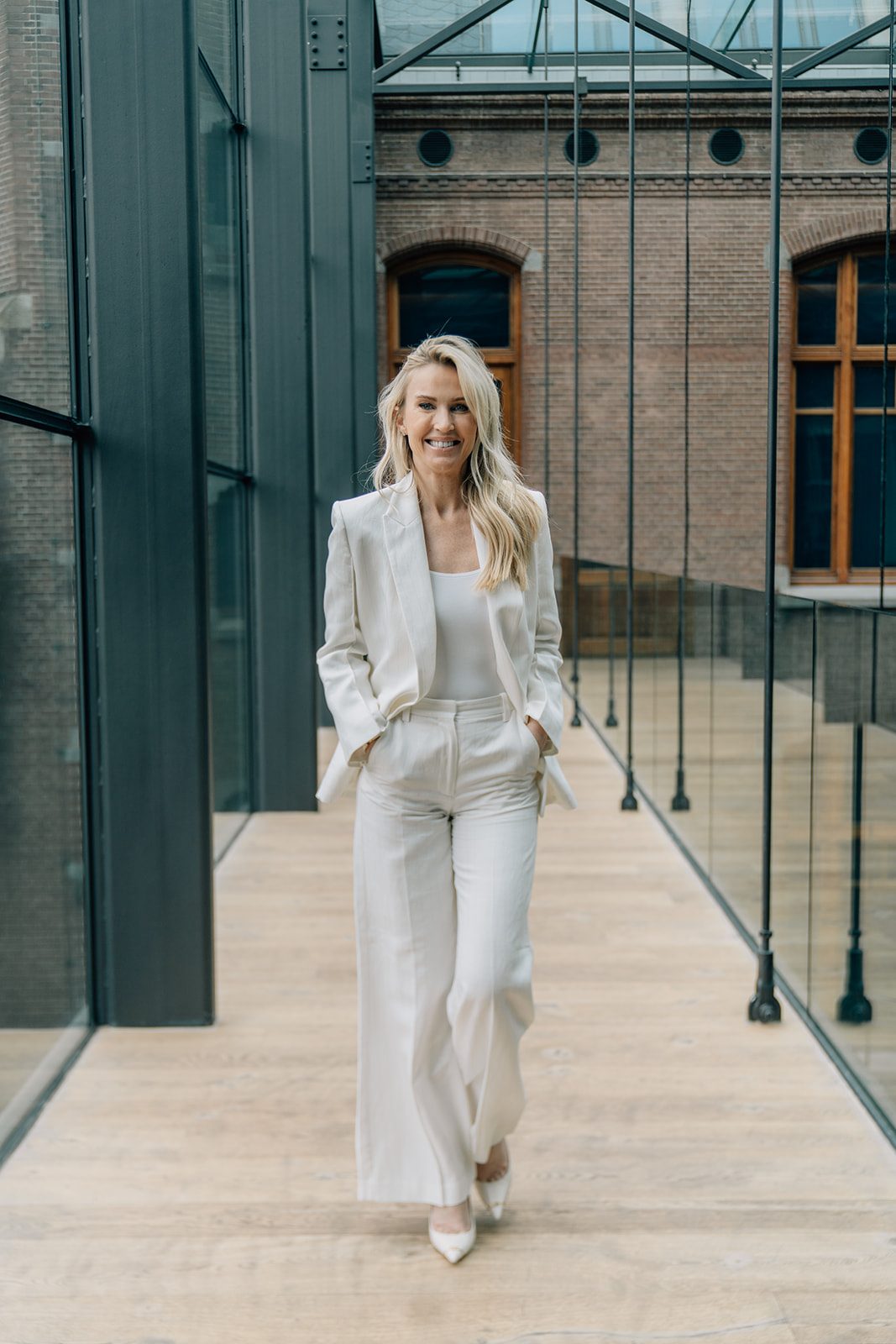
Tell us about a decision that made your organisation stronger.
During a difficult period in the market, I chose to trust our people completely. Instead of reducing the team, we increased wages, because I wanted our employees to know I genuinely believed in them. That trust was returned many times over through their dedication and resilience. It confirmed something I hold deeply: strong businesses are built on strong relationships, on the experience of building something together.
What leadership style brings out the best in you, and in others?
The leaders who shaped me most gave me freedom to experiment, trusted me to make decisions, and always made it clear they had my back. That combination of autonomy, personal attention, and trust brought out the best in me, and it is the kind of leadership I want to give my own team. I want people to feel trusted, to try new things, to learn from mistakes. In return, I ask one thing: when our clients need us most, we show up and give everything we have.
What drains your energy as a leader?
Leadership that thinks but never moves. I have sat in rooms full of good ideas and honest conversations where nothing changed the week after. That gap between insight and action is where energy disappears. Not because the thinking was wrong, but because reflection became the endpoint rather than the beginning. Leadership, to me, is about turning ideas into movement, having the courage to take the next step, and creating progress together.
What quality of leadership is most underestimated?
Supporting your own health and being consistent about it. There is far too little conversation about the discipline required to build a lifestyle that sustains long-term leadership. Enough sleep, proper nutrition, real recovery, and staying alert to early signs of overload. If we want leaders who can remain effective for decades, we need to start treating health decisions as strategic leadership choices.
What do you wish you had understood sooner about people and organisations?
I wish I had understood sooner that organisational change does not define your worth. In large organisations, change comes in waves. Teams evolve, priorities shift, restructures happen. It is rarely personal, even though it often feels that way. The people who truly thrive are not the ones with the smoothest careers. They are the ones who build a growth mindset, embrace uncertainty, and keep moving forward. Resilience is not built when the sea is calm. It is built by learning to ride the waves.
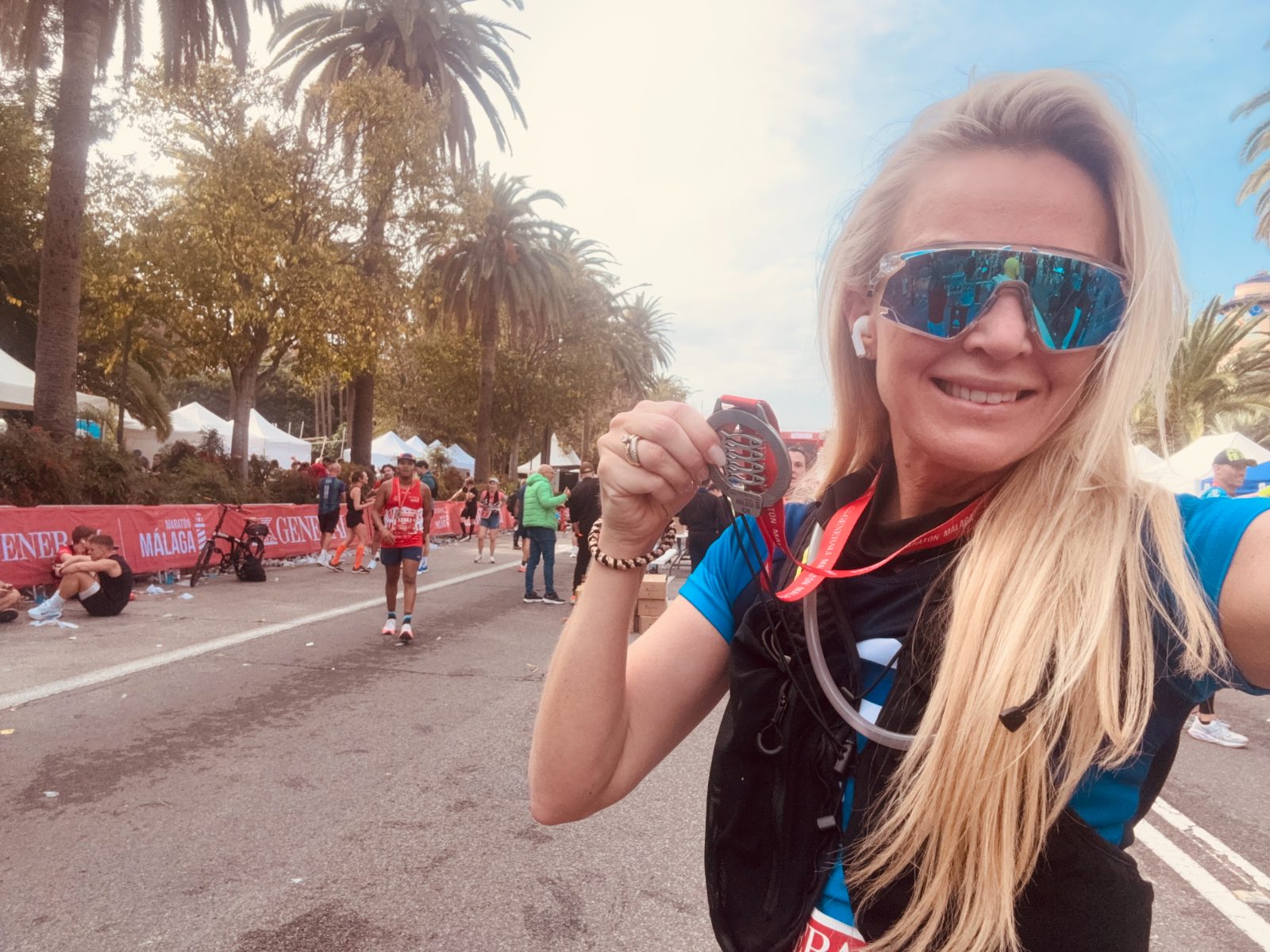
Bright Leadership, according to Chantalle.
For Chantalle Janclaes, bright leadership begins with the willingness to speak up when silence would be easier, and to trust people when caution might counsel otherwise. It lives not in grand strategic frameworks but in the daily details, in the conversations that actually matter, and in the courage to turn reflection into action. She believes that a leader's greatest asset is not authority but the environment they create: one where people feel safe enough to ask better questions, take ownership, and grow. And underpinning all of it is something quietly radical: the conviction that investing in your own health and consistency is not a personal luxury but a strategic responsibility. To lead others well, you first have to show up well for yourself.